Table of Contents
Oman’s cultural identity is deeply intertwined with Islam. Known globally for its peaceful traditions, architectural beauty, and extraordinary warmth, Oman offers visitors an inspiring look into how Islamic values shape daily life, hospitality, and social etiquette across the Sultanate.
Islam in Oman: Quick Facts for Travelers
| Category | Key Information |
| Official Religion | Islam |
| Major Religious Sites | Sultan Qaboos Grand Mosque (Muscat & Salalah) |
| Non-Muslim Mosque Access | Allowed at designated Grand Mosques during visiting hours |
| Key Cultural Values | Compassion, hospitality (Karam), modesty, community unity |
| Holy Observance | Ramadan (9th month of the Islamic lunar calendar) |
The Tradition of Tolerant & Welcoming Faith
At the heart of Omani society are the core principles of Islam: peace, compassion, mutual respect, and generosity. As a historic maritime trading nation connecting Arabia with East Africa, India, and Asia for centuries, Oman has built a peaceful society where travelers of all backgrounds and faiths are welcomed with genuine warmth.
Daily Rhythms and Omani Hospitality
Islam shapes the daily rhythm of life throughout Oman’s cities, mountain villages, and coastal ports:
The Call to Prayer (Adhan): Five times a day, the melodic call to prayer echoes from minarets across the country, pausing daily business briefly for reflection and spiritual connection.
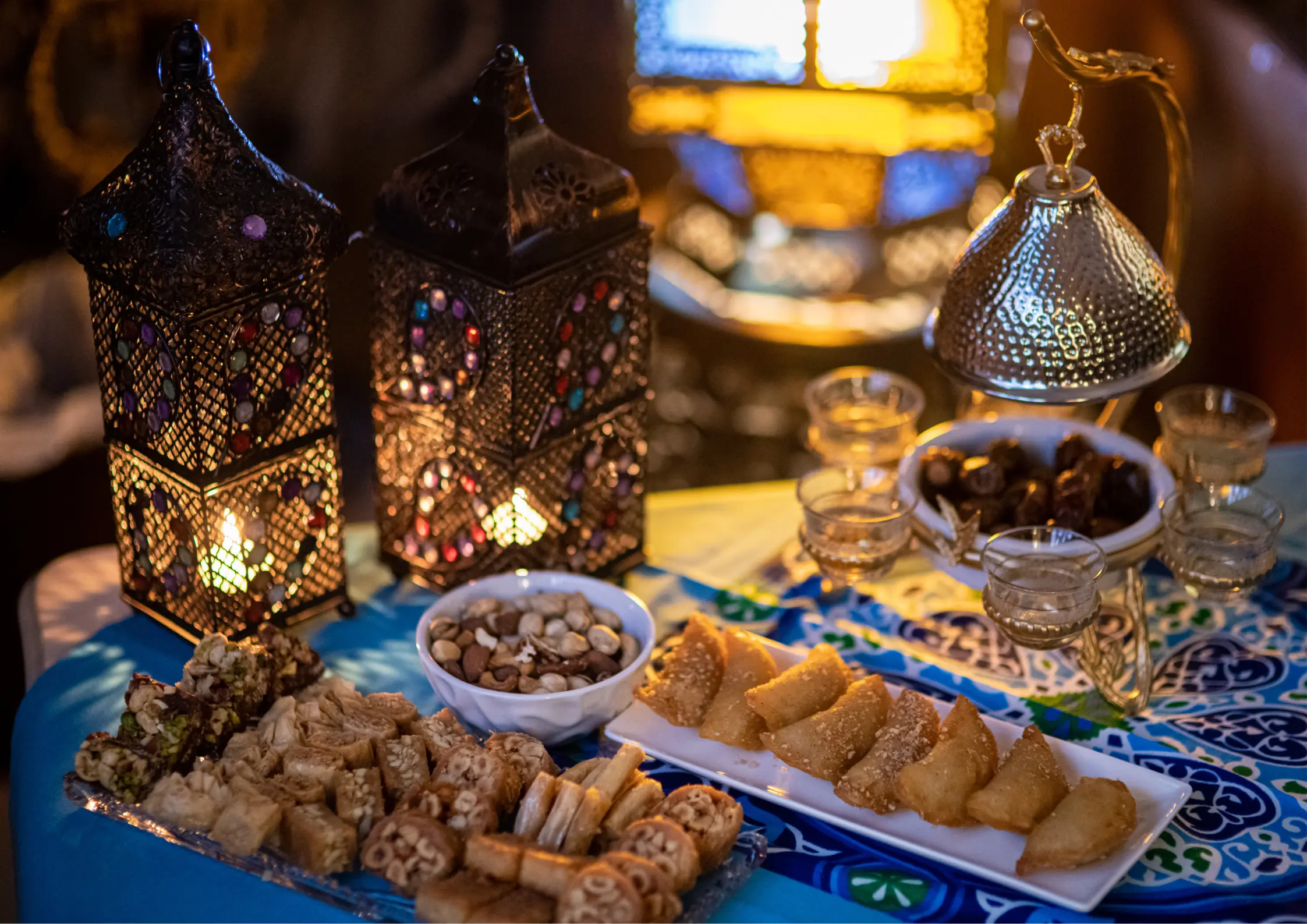
Islamic Hospitality (Karam): Welcoming guests is considered a fundamental religious duty. Visitors to Omani homes or tour camps are traditionally served Qahwa (freshly brewed cardamom coffee) accompanied by local dates and fruits.
Community Unity: Religious holidays like Eid al-Fitr and Eid al-Adha bring families together to share feasts like Shuwa (slow-cooked underground lamb) and distribute food to the community.
Mosque Etiquette for Tourists
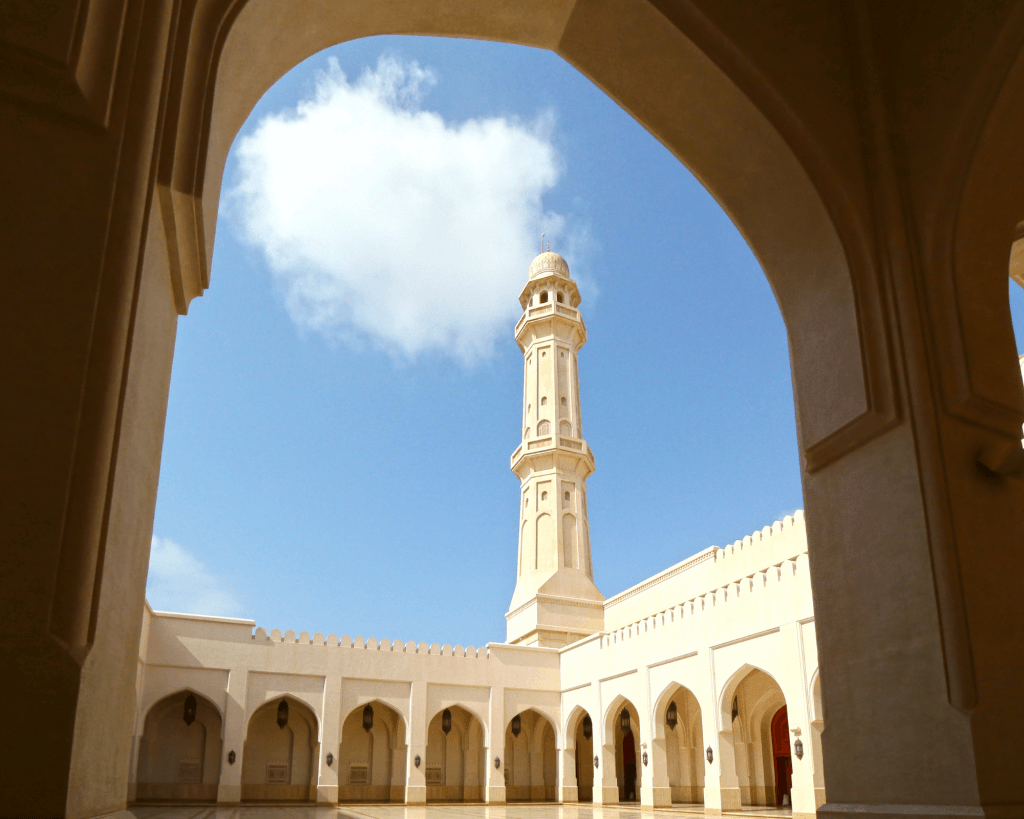
Oman’s mosques are architectural masterpieces combining traditional Islamic design with modern craftsmanship. The Sultan Qaboos Grand Mosque in Muscat and the Sultan Qaboos Mosque in Salalah welcome non-Muslim visitors during designated morning hours.
Dress Code & Visitor Rules
| Visitor Category | Dress Code Requirements |
| Women | Ankle-length trousers/skirt, long sleeves to the wrists, and a headscarf fully covering hair. |
| Men | Long trousers (no shorts) and shirts covering shoulders. |
| General Rules | Remove shoes before entering prayer halls. Keep voices quiet and turn off ringers. |
Traveling to Oman During Ramadan
Visiting Oman during the holy month of Ramadan offers a unique opportunity to witness the spiritual heart of the country.
Daytime Etiquette: Out of respect for those fasting from dawn to sunset, eating, drinking, or smoking in public daytime spaces is prohibited. (Hotels and private tour setups accommodate non-fasting guests discreetly).
Evening Iftar: At sunset, the country comes alive as families and communities gather to break their fast with Iftar. Joining an evening Iftar meal is one of the most memorable cultural experiences a traveler can have in Oman.
The official religion of Oman is Islam. Islamic values of peace, generosity, and respect form the foundation of Omani society and everyday life.
Yes. Non-Muslims are permitted to visit major landmark mosques, such as the Sultan Qaboos Grand Mosque in Muscat and Salalah, during designated visiting hours (typically Saturday through Thursday mornings). Modest dress is strictly required.
Modest dress is appreciated across Oman. Men should wear trousers or knee-length shorts with covered shoulders, while women should wear clothing that covers shoulders and extends past the knees.
Experience Authentic Omani Culture on a Salalah City Tour
Gain deeper insights into Dhofar’s heritage, Islamic architecture, and vibrant market traditions. Go Salalah Tour provides private, guided Salalah City Tours—visiting the Sultan Qaboos Mosque, Al Hosn Palace, and Al-Haffa Souq with expert local Omani guides.