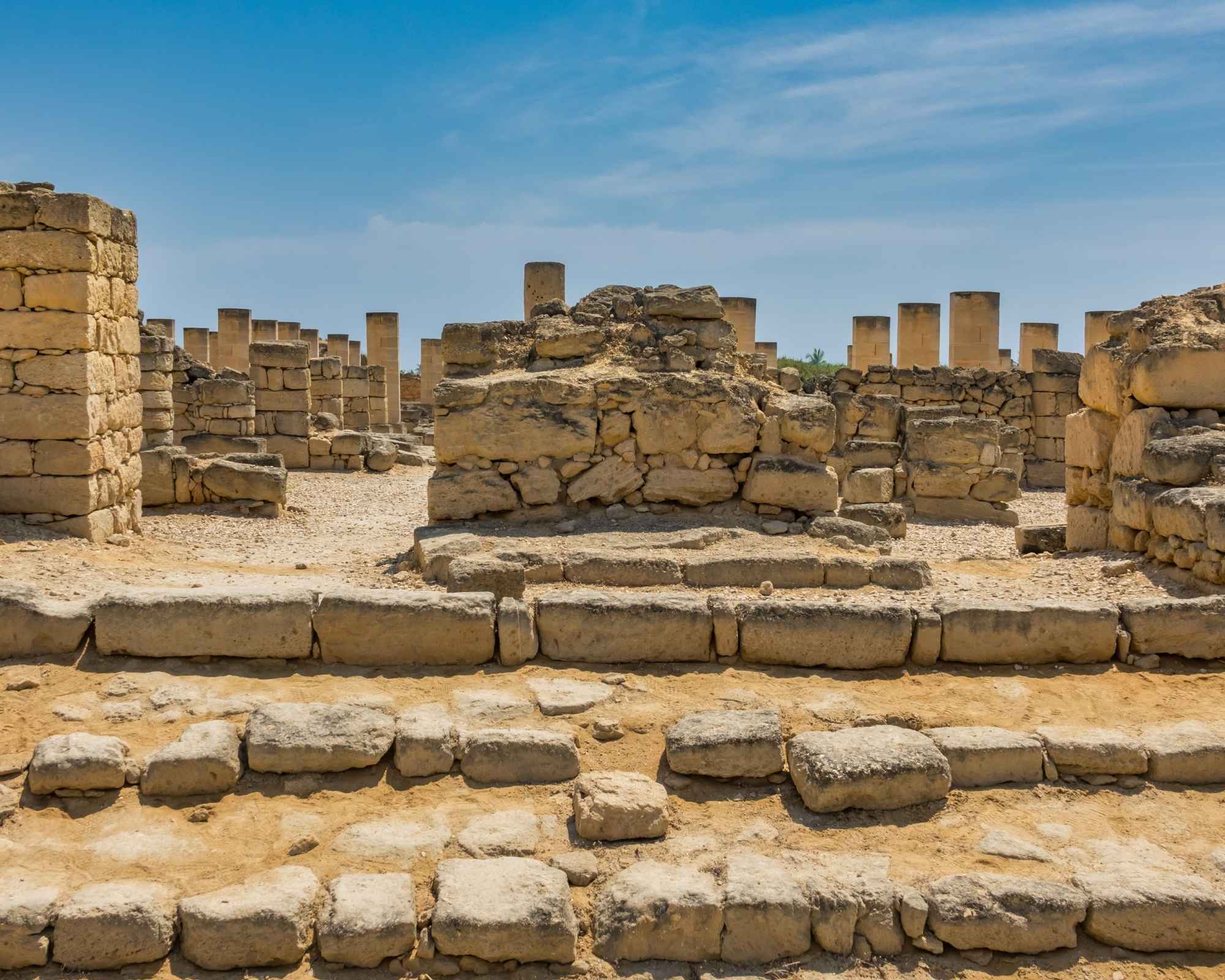
Located right along the shores of the Arabian Sea in central Salalah, Al Baleed Archaeological Park (also spelled Al Balid) is the most significant historical landmark in Southern Oman. Recognized as a UNESCO World Heritage Site since 2000 under the Land of Frankincense designation, this open-air park preserves the sprawling ruins of Ẓafār—the ancient medieval port city that gave the entire Dhofar Governorate its name.
The Deep History of Ẓafār: Oman's Gateway to the Silk Road
While human settlement at the mouth of the freshwater lagoon (Khawr Al Baleed) dates back to the Bronze and Iron Ages, the fortified city reached its golden age between the 8th and 16th centuries AD.
Operating as an essential maritime hub on the Indian Ocean trade network, Ẓafār served as the primary export port for top-grade Boswellia sacra frankincense harvested from the Dhofari interior. Omani merchant dhows laden with resins, Arabian horses, and dried fish set sail from Al Baleed’s sheltered lagoon to ports across East Africa, India, coastal China, and the Persian Gulf.
Documented by History’s Greatest Explorers
Al Baleed’s wealth and global influence were recorded by the world’s most famous chroniclers:
Ibn Battuta (1331 AD): The famous Moroccan traveler visited Ẓafār in the 14th century, writing extensively about the city’s grand mosques, thriving bazaars, and maritime commerce. He noted the unique local economy, including the cultivation of betel leaves and the feeding of dried sardines to local livestock.
Marco Polo (13th Century): Although recording accounts from contemporary sailors, Marco Polo described “Dufar” as a “great, noble, and splendid city” famous for its vast production of white frankincense.
Admiral Zheng He (15th Century): During the Ming Dynasty’s famous treasure fleet voyages, Chinese envoys led by Admiral Zheng He visited Ẓafār multiple times to exchange silk, porcelain, and celadon for Dhofari frankincense and aromatic gums.
The Decline of the Ancient Port
The city’s power waned in the late 16th century due to a combination of geopolitical shifts—including Portuguese naval incursions into the Indian Ocean—and environmental changes. Silt accumulation gradually closed the ocean channel leading into Khawr Al Baleed, preventing deep-draft merchant ships from entering the safe harbor.
Key Archaeological Sites to Explore Inside the Park
The archaeological site spans over 64 hectares, intersected by elevated walking paths and soft lighting for evening tours.
The Grand Mosque of Ẓafār: One of the largest medieval mosques in the Arabian Peninsula. Excavations revealed a massive 1,700-square-meter footprint supported by 144 octagonal stone pillars that once held up a flat roof surrounding an open courtyard.
Al Baleed Fort & Citadel: Located on the northwest corner of the city walls, this multi-story palace citadel features defense towers, residential chambers, and heavy stone ramparts that housed the city’s rulers.
The Outer Defensive Walls: Impressive stone walls flanked by defensive towers that once protected Ẓafār from inland desert raids.
Khawr Al Baleed (The Freshwater Lagoon): The natural estuary surrounding the ruins. Today, the lagoon is a bird sanctuary where visitors can spot flamingos, herons, egrets, and migratory waterfowl.
The Museum of the Frankincense Land
Located within the park grounds, this air-conditioned, world-class museum features two primary exhibition galleries:
The History Gallery: Displays archaeological artifacts recovered from excavations at Al Baleed, Sumhuram (Khor Rori), and Shisr (Wadi Dawkha/Ubar). Exhibits include ancient oil lamps, Chinese Ming Dynasty porcelain, Roman coins, carved tombstones, and Bronze Age tools.
The Maritime Gallery: Showcases Oman’s legendary seafaring heritage. Highlights include detailed scale replicas of traditional Omani vessels (Ghanjah, Baghla, and Sambuk), traditional navigation instruments, and an exact replica of the Sohar—the 9th-century-style sewn boat built by explorer Tim Severin to recreate the voyages of Sinbad the Sailor.
Practical Visitor Information
| Detail | Info |
| Location | Central Salalah (Al Balid district, near Al Haffa Beach & Resort) |
| Entrance Ticket Price | 3 OMR per person (Includes access to both the open-air archaeological park and the Museum of the Frankincense Land) |
| Opening Hours | Saturday to Thursday: 8:30 AM – 8:00 PM Friday: 3:00 PM – 8:00 PM |
| Park Transport | Electric golf carts are available at the entrance for guests who prefer not to walk between the ruins and museum. |
| Best Time to Visit | Late afternoon (4:00 PM – 6:00 PM) allows you to tour the outdoor ruins in comfortable temperatures, view the sunset over the lagoon, and visit the indoor museum. |
Perfect Salalah City Itinerary Pairings
Maximize your cultural morning or afternoon by combining Al Baleed with nearby heritage sites:
Al Haffa Souq (5 minutes away): Stroll through traditional stalls selling authentic Hojari frankincense resin, Dhofari clay incense burners (Majmar), and traditional Omani perfumes.
Sultan Qaboos Mosque (10 minutes away): Tour the grand Islamic architecture and marble courtyards in central Salalah.
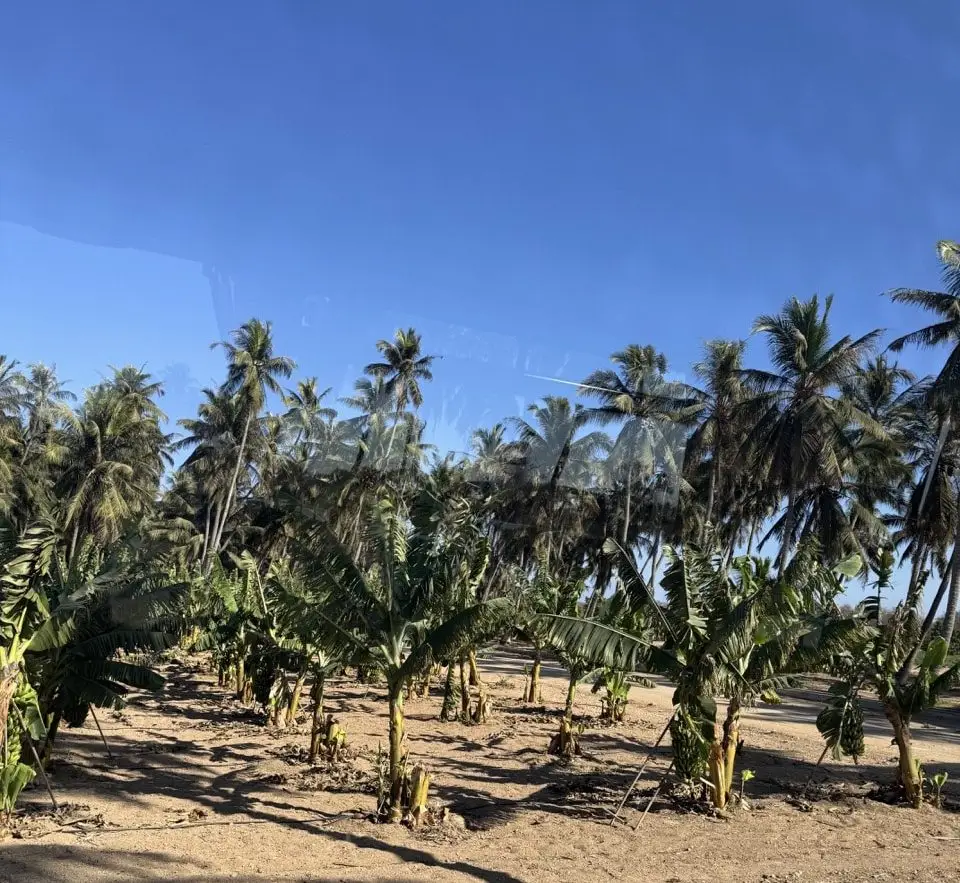
Salalah Fruit Stalls: Stop at roadside fruit plantations for fresh cold coconut water and sweet local bananas served under shade trees.
Experience Dhofar's Ancient Heritage with Local Guides
Exploring ancient ruins with an experienced local Omani driver-guide transforms stone structures into living history. Learn the stories of frankincense trade caravans, ancient navigation techniques, and archaeological discoveries firsthand.
Book your cultural city experience:
Half-Day Salalah City Tour: Includes guided access to Al Baleed Archaeological Park & Museum, Sultan Qaboos Mosque, fruit plantations, and Al Haffa Souq.
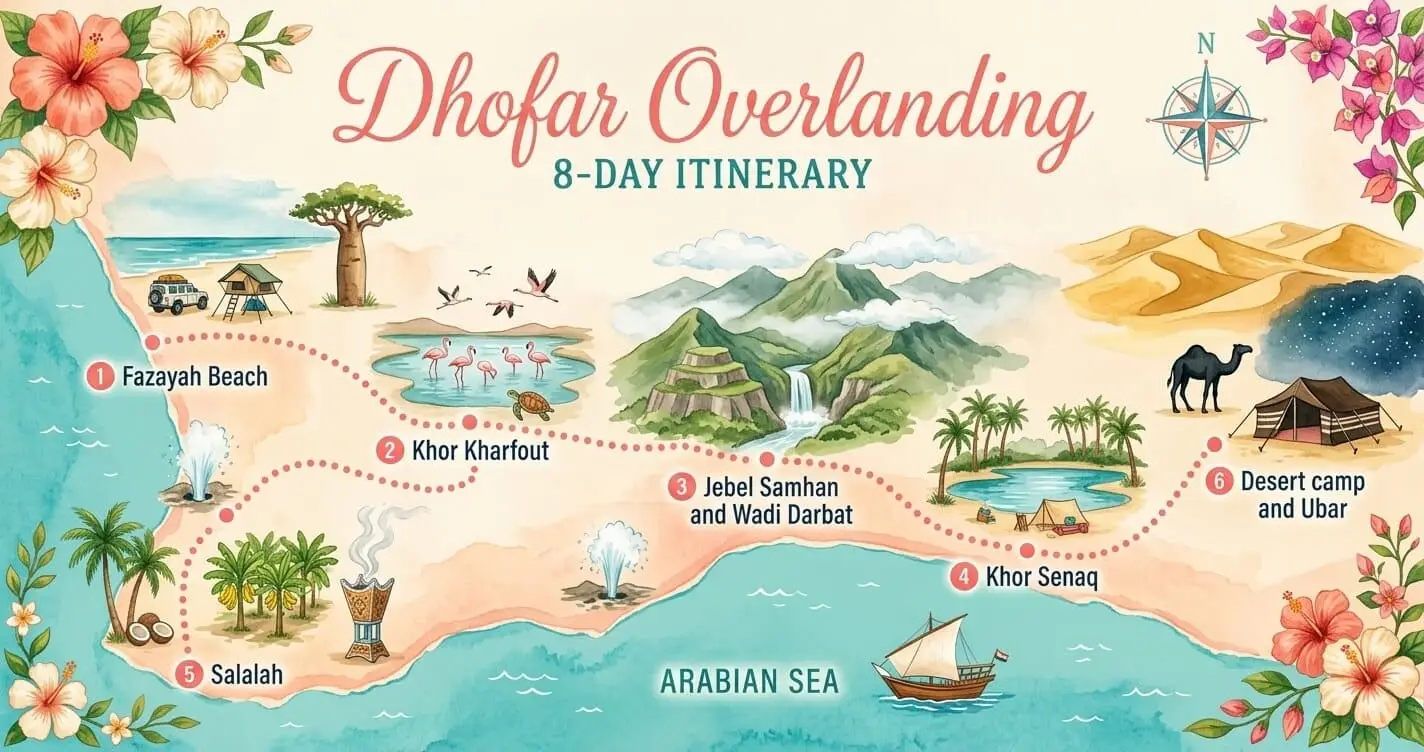
Full-Day Land of Frankincense UNESCO Tour: Combines Al Baleed with Sumhuram (Khor Rori), Wadi Dawkha frankincense trees, and Mirbat Castle.