10 Surprising & Unusual Facts About Oman

10 interesting fascinating facts about Oman

Oman—a nation where ancient maritime history meets modern hospitality—holds incredible stories beneath its mountain ranges and golden sands. Whether you are planning your first trip or simply curious about Arabia’s oldest independent state, here are 10 facts about Oman that will amaze you.

1. Home to the Longest-Ruling Dynasty in Arabia

The Al Said royal family has ruled Oman continuously since 1744, making it the longest-serving ruling family in the Arab world. Founded by Imam Ahmad bin Said al-Busaidi, the dynasty guided Oman into modern prominence under the late Sultan Qaboos bin Said and continues today under His Majesty Sultan Haitham bin Tarik.

Sultan Haitham and Sultan Qaboos

2. Inhabited by Humans for Over 106,000 Years

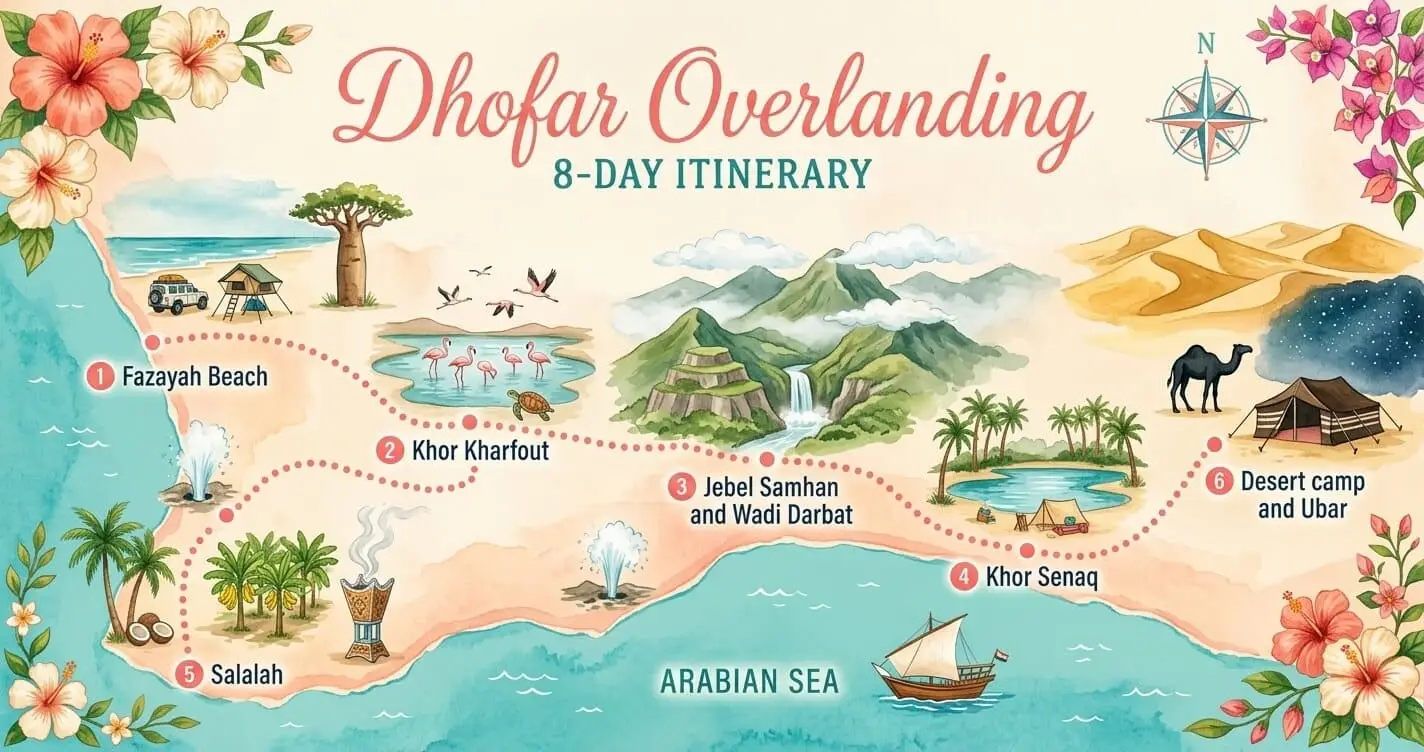
Oman is one of the oldest continuously inhabited places on Earth. Archaeological discoveries in Dhofar uncovered stone tools from the Stone Age Nubian Complex dating back 106,000 years, proving that early humans migrated out of Africa through southern Arabia.

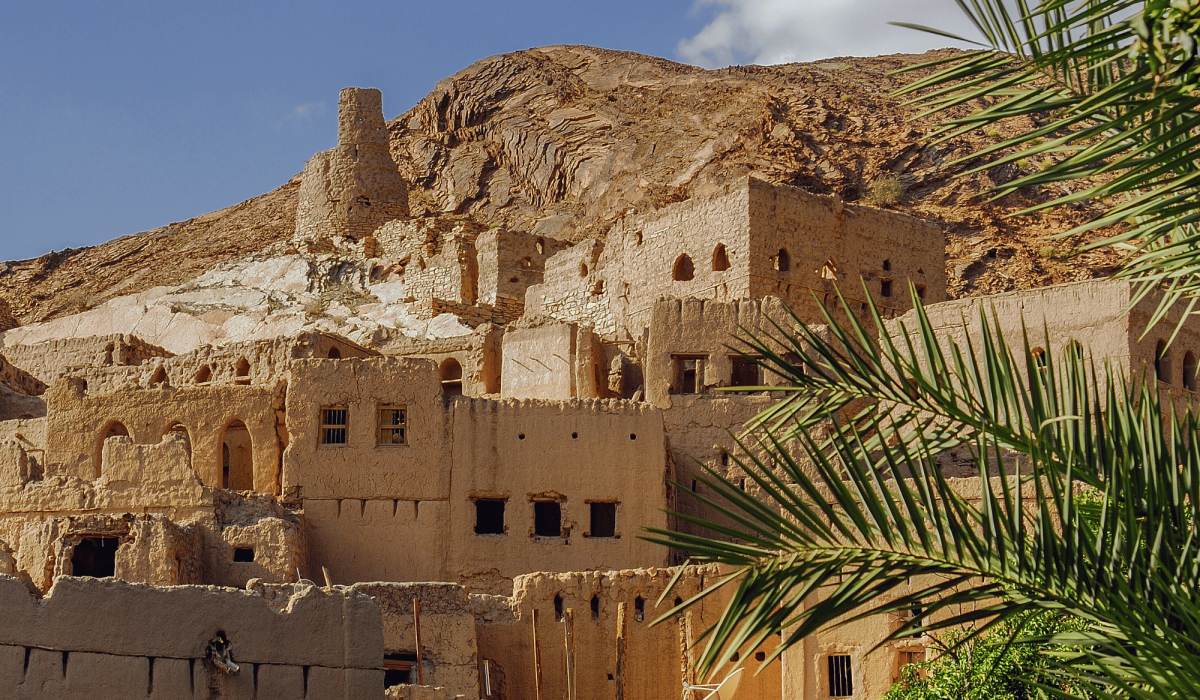
Dakhiliya Governorate Oman
Village in Dakhiliya Governorate

3. Officially Ranked as One of the Safest Countries in the World

Oman consistently earns a near-zero impact score on the Global Terrorism Index. Renowned for its warm hospitality, strict crime prevention, and diplomatic neutrality, it is widely recognized as one of the most peaceful destinations for international travelers.

Global Terrorism Index Oman
Global Terrorism Index

4. Home to the World's Finest Frankincense (Once Worth More Than Gold)

For thousands of years, southern Oman (Dhofar) has been the global epicenter of high-grade frankincense. Extracted from the sap of the Boswellia sacra tree, Omani frankincense was traded along ancient overland routes to Egyptian pharaohs, Roman emperors, and Chinese dynasties—often valued higher by weight than pure gold. Today, Oman’s ancient trading ports and frankincense parks are protected as UNESCO World Heritage Sites.

5. An Empire That Spanned Across Continents

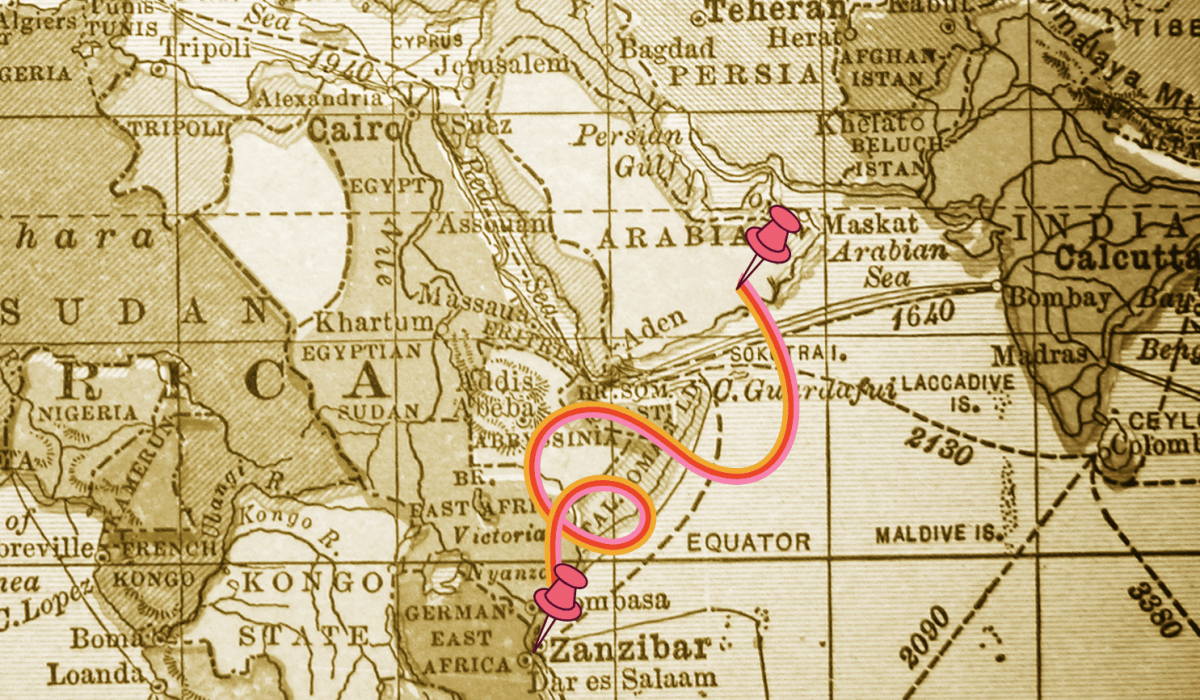
During the 19th century, the Omani Empire was a dominant maritime power. At its peak, Omani rule extended across the Indian Ocean to control Zanzibar, Mombasa (Kenya), and Gwadar (Pakistan). Stone Town in Zanzibar even served as Oman’s capital city in 1840!

Zanzibar & Oman
Zanzibar & Oman

6. Uses a 2,000-Year-Old Water System Still Active Today

Long before modern plumbing or electric pumps, Omanis engineered an ingenious water distribution system known as Aflaj (singular Falaj). Utilizing underground gravity-fed aqueducts, these 2,000-year-old channels carry fresh water from mountain springs across miles of desert to villages and palm groves. Five of these ancient aflaj networks are preserved under UNESCO World Heritage status and remain active today.

7. Tied to the Shortest War in Recorded History

On August 27, 1896, the Anglo-Zanzibar War broke out between Britain and the Omani-descended Sultanate of Zanzibar. The entire military conflict lasted between 38 and 45 minutes before the Zanzibari palace surrendered.

8. A Flag Deeply Rooted in National Symbolism
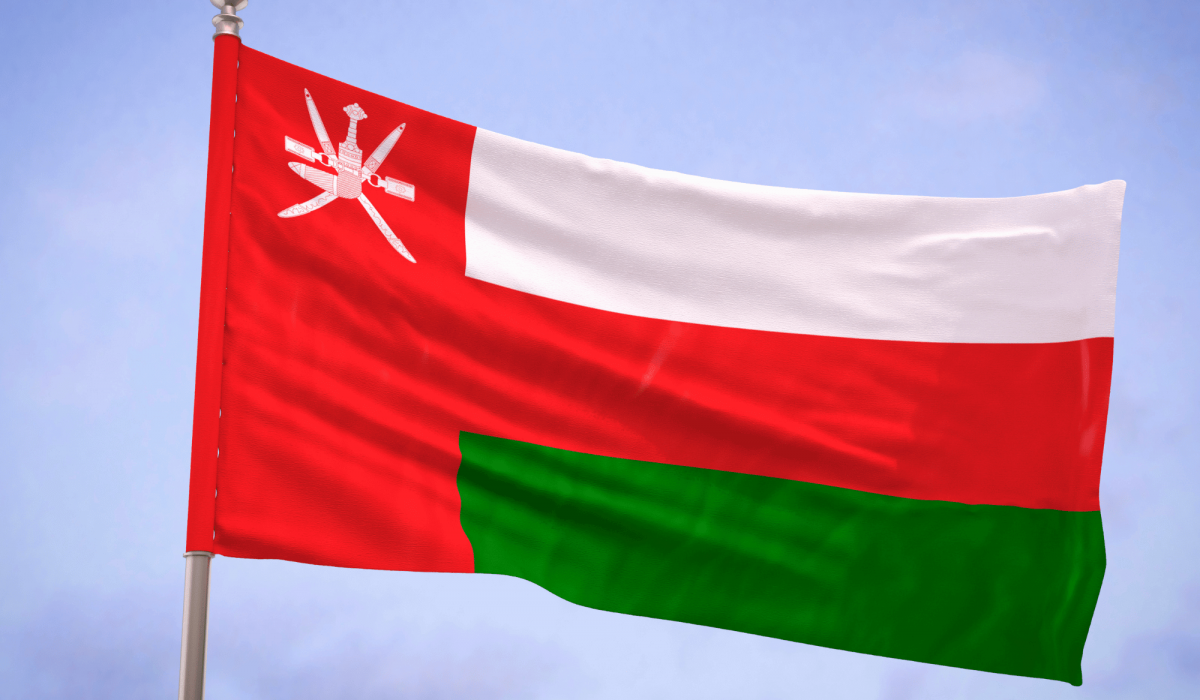
The Omani flag consists of three horizontal stripes (white, green, and red) and a vertical red bar on the left displaying the National Emblem (Khanjar dagger crossed over two swords):

  • White: Represents peace and the historic Imamate.

  • Green: Represents the lush fertility of the land and Jebel Akhdar (Green Mountain).

  • Red: Symbolizes the struggle for national independence and unity.

Flag Oman
Flag Oman

9. Shares the Largest Continuous Sand Desert on Earth

Southern and inland Oman is home to part of the Rub’ al Khali (The Empty Quarter). Spanning 650,000 square kilometers across four countries, it is the largest continuous expanse of sand dunes in the world.

Camels in Rub Al Khali Desert
Rub Al Khali Desert

10. A World-Class Haven for Birdwatching

Located at the intersection of Europe, Asia, and Africa, Oman is a crucial migratory corridor. Over 500 bird species—including flamingos, eagles, falcons, and sunbirds—can be spotted across Oman’s wetlands, coastlines, and mountain reserves throughout the year.