Table of Contents
Oman is a land steeped in rich history, timeless culture, and extraordinary natural wealth. Among its legendary treasures, one natural resource stands out above all: frankincense. Known around the globe as the “Scent of Arabia,” this aromatic resin has been harvested in southern Oman for thousands of years, serving medicinal, religious, and cultural purposes across civilizations.
The Origins and Art of Harvesting Frankincense
Omani frankincense comes from the sap of the Boswellia sacra tree, which thrives naturally in the unique arid climate of the Dhofar region in southern Oman.
The extraction process is a delicate craft passed down through generations:
Tree Tapping: Farmers make small, precise incisions on the trunk and branches using a specialized tool called a menqaf.
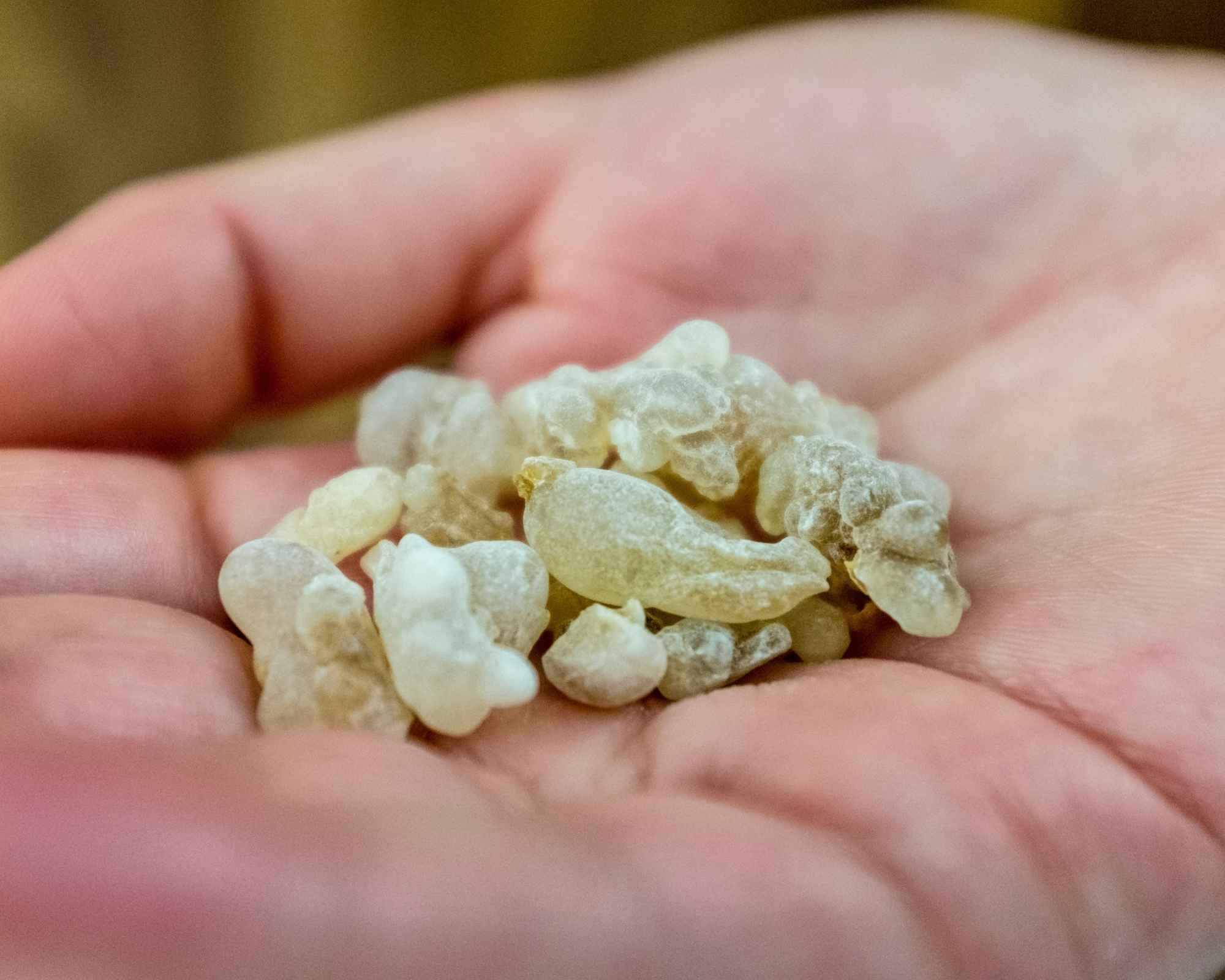
Resin Collection: A milky sap exudes from the tree and hardens into fragrant, tear-shaped droplets upon exposure to the sun.
Sorting & Grading: After harvesting, the dried resin is sorted meticulously based on color, purity, size, and aroma profile before being sold locally or exported worldwide.
Omani Frankincense Grades
| Grade | Appearance & Characteristics | Common Uses |
| Royal Hojari | Pale green tint, prized as the highest purity grade in the world | High-end aromatherapy, luxury perfumes, infused water remedies |
| Superior Hojari | Light yellow to white, clear resin tears | Premium incense, home fragrances, wellness products |
| Najdi | Golden-yellow tones harvested from mountain slopes | Daily incense, traditional Omani hospitality |
| Shaabi | Darker amber and brown hues from coastal plains | Commercial burning, large event incense |
Ancient Trade Routes & UNESCO Heritage
In antiquity, frankincense was considered as valuable as gold. It fueled expansive trade networks that linked Oman with Egypt, Greece, Rome, India, and China. Caravans and merchant ships transported these precious aromatic tears to far-off temples and royal courts.
Frankincense was not merely a luxury trade item—it was an offering fit for kings and gods, connecting Dhofar to the greatest civilizations of the ancient world.
When visiting Salalah, you can explore this legacy firsthand at the Al Baleed Archaeological Park (a UNESCO World Heritage Site). The park houses the Museum of the Frankincense Land, ancient port ruins, and maritime exhibits that illustrate how Omani traders exported frankincense as far back as 2000 BCE.
Frankincense in Everyday Omani Culture
In modern Oman, frankincense remains woven into the fabric of everyday life:
Hospitality & Celebrations: No Omani home is complete without a traditional clay or brass burner (majmara). Fragrant smoke welcomes guests and marks special occasions like weddings, Eid festivals, and family gatherings.
Aromatherapy & Wellness: Pure frankincense essential oil is world-renowned for its soothing properties, stress relief, and skin care benefits.
Traditional Remedies: Local traditions often utilize small amounts of high-grade resin infused in water as a natural digestive and respiratory aid.
Want to Buy Authentic Frankincense in Salalah?
Discovering pure Hojari frankincense requires knowing where the locals shop. Join Go Salalah Tour on our guided excursions to explore authentic markets, learn to distinguish resin grades, and purchase top-quality frankincense directly from trusted merchants!
[Book the Salalah City Tour] — Explore Al Baleed Archaeological Park, the Frankincense Land Museum, and shop at the historic Al Haffa Souq.
[Book the Salalah Night Tour] — Experience the evening charm of Salalah’s bustling spice markets and waterfront under the cooler night sky.