Table of Contents
Tucked away in the southern Dhofar region of Oman lies Salalah, a coastal destination offering a stark contrast to the arid landscapes typically associated with the Arabian Peninsula. Known for its lush monsoon greenery, UNESCO-listed history, towering sand dunes, and pristine beaches, Salalah provides an off-the-beaten-path experience for travelers seeking culture, nature, and adventure.
Salalah Travel Snapshot
| Category | Highlights & Key Details |
| Location | Capital city of Dhofar Province, Southern Oman (Arabian Sea coast) |
| Famous For | Frankincense trade history, Khareef monsoon season, coconut groves, Empty Quarter desert |
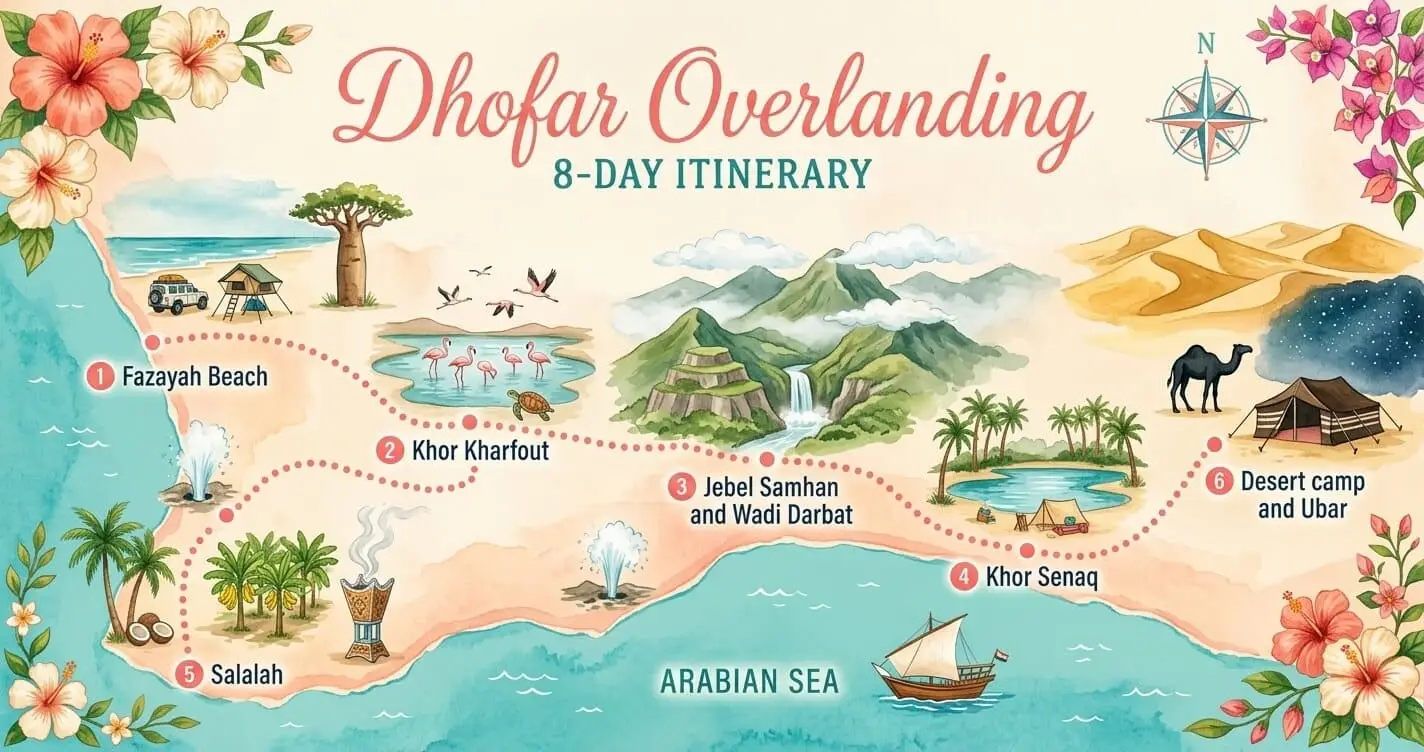
| Top Nature Sites | Wadi Darbat, Jebel Samhan, Fazayah Beach, Hasik Coast |
| Top Cultural Sites | Al-Baleed Archaeological Park, Al-Haffa Souq, Taqah Castle |
| Best Travel Seasons | Winter (Oct–Apr): Beaches & Desert | Khareef (Jul–Aug): Monsoons & Waterfalls |
1. Natural Wonders: From Green Valleys to Mountain Cliffs
Salalah’s geography is unique in the Middle East. During the annual summer monsoon season, locally known as the Khareef (July to August), monsoon winds transform the brown mountain ranges into emerald-green forests wrapped in fog.
Wadi Darbat: A lush mountain valley featuring cascading waterfalls, natural freshwater lakes, kayaking, and free-roaming herds of camels grazing under dense trees.
Jebel Samhan: A rugged mountain plateau rising 2,100 meters above sea level, offering sweeping views over the ocean plain where clouds often drift below the cliff edges.
2. Ancient History and the Frankincense Trade
Salalah’s history is anchored in the ancient trade of Frankincense (Boswellia sacra), a precious aromatic resin once traded like gold across Rome, Egypt, Persia, and India.
Al-Baleed Archaeological Park (UNESCO): The excavated ruins of the ancient medieval port city of Zafar. Visitors can walk through preserved stone structures, fortified walls, and the grand mosque ruins along the lagoon.
Museum of the Land of Frankincense: Located inside Al-Baleed Park, this museum displays maritime history, ancient Omani shipbuilding traditions, and the historical routes of the frankincense trade.
3. Authentic Omani Culture and Culinary Traditions
Dhofari culture emphasizes warm hospitality, centuries-old market traditions, and distinct regional cuisine.
Al-Haffa Souq (Al-Husn): A traditional market located near the Sultan’s Palace on Haffa Beach. The air is rich with the scent of burning frankincense resin, local bukhoor (incense blends), handmade Omani silver, and perfume oils.
Local Cuisine: Sample traditional dishes such as Shuwa (slow-roasted spiced meat cooked underground), fresh seafood, and Qahwa (traditional Omani coffee brewed with cardamom and served alongside fresh dates).
4. Desert and Coastal Outdoor Adventures
Salalah offers diverse terrains for adventure enthusiasts within a few hours’ drive of the city center.
The Rub’ al Khali (Empty Quarter): The world’s largest continuous sand desert lies just north of Salalah. Visitors can experience 4×4 dune bashing, sandboarding, camel trekking, and stargazing at overnight desert camps.
Beach Horse Riding: Sunset and sunrise horseback rides along the wide, palm-lined shores of the Arabian Sea.
Marine & Snorkeling Excursions: The waters off the Dhofar coast feature sea turtles, dolphins, and diverse reef habitats for diving and coastal boat tours.
5. Cultural Events: The Annual Khareef Festival
Traveling to Salalah during July and August allows visitors to experience the Khareef Festival. This multi-week cultural event celebrates regional heritage with Omani folk music, traditional dance performances, artisan craft markets, and street food stalls showcasing regional Dhofari flavors.
6. Tranquil Escapes and Hidden Coastal Spots
For travelers looking to escape crowded tourist hubs, Salalah offers pristine, undeveloped coastal landscapes.
Fazayah Beach: A remote, 5-kilometer stretch of white sand backed by turquoise water and sheer mountain cliffs, accessible via a scenic 4×4 drive west of the city.
Fushi Dunes & Hasik Coast: Located along the eastern coastal road, where brilliant white sand dunes run directly into the ocean near the natural dripping cliffs of Natif Waterfall.
Yes. Salalah offers a rare combination of UNESCO World Heritage sites, untouched beaches, the world's largest sand desert (Rub' al Khali), and a unique monsoon climate (Khareef) that creates lush green landscapes found nowhere else in the Arabian Peninsula.
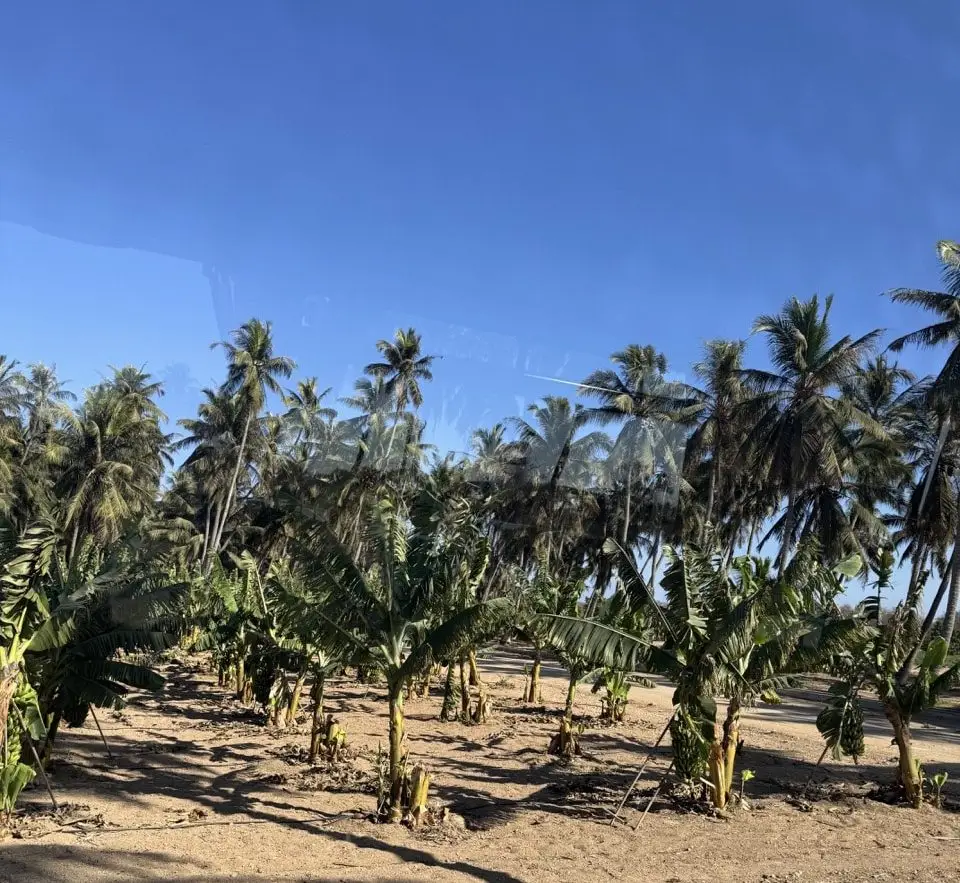
While Muscat features rocky volcanic mountains, historic forts, and urban Omani architecture, Salalah is defined by tropical coconut palm groves, monsoon-fed mountain wadis, frankincense trees, and proximity to the vast dunes of the Empty Quarter desert.
Booking a guided 4x4 tour is by far the best way to explore Salalah. Attractions like the Empty Quarter desert, mountain plateaus, and hidden coastal beaches demand specialized off-road vehicles and expert local navigation. Hiring a local guide takes the stress out of driving, keeps you safe in remote regions, and ensures you experience the absolute best of Dhofar without worrying about getting lost or stuck.
Explore Salalah with Local Experts
Experience Salalah’s mountains, wadis, and deserts with ease. Go Salalah Tour provides private 4×4 transport, custom itineraries, and expert local guides to show you the best of Dhofar.