Table of Contents
If you’ve been scrolling through Instagram or TikTok lately, you’ve probably seen videos of a place that doesn’t look like it belongs in the Middle East. Rolling green hills, thick mist rolling over mountain peaks, and roaring waterfalls—all while the rest of the Gulf is baking in 45°C summer heat.
That place is Salalah, located in the southern Dhofar region of Oman, during the annual Khareef (monsoon) season.
It looks like a dream. But social media video clips only tell half the story. If you’re currently sitting in Dubai, Muscat, or Riyadh wondering whether you should book a flight and a hotel for a quick summer escape, you’re probably asking yourself: Is it actually as magical as it looks, or is it just internet hype? Is it really worth it?
Here is the honest, unfiltered truth about what Khareef is really like, the parts nobody tells you about, and how to make sure you actually enjoy the trip.
The Good: Why People Fall in Love with Khareef
Let’s start with the positives, because when Salalah is at its peak from July to September, it truly is spectacular.
-
The Weather is a Total Shock to the System: Stepping off a plane from the sizzling summer heat into a refreshing 25°C breeze with a light, cool drizzle is an incredible feeling. You can actually walk around outside at noon without breaking a sweat.
-
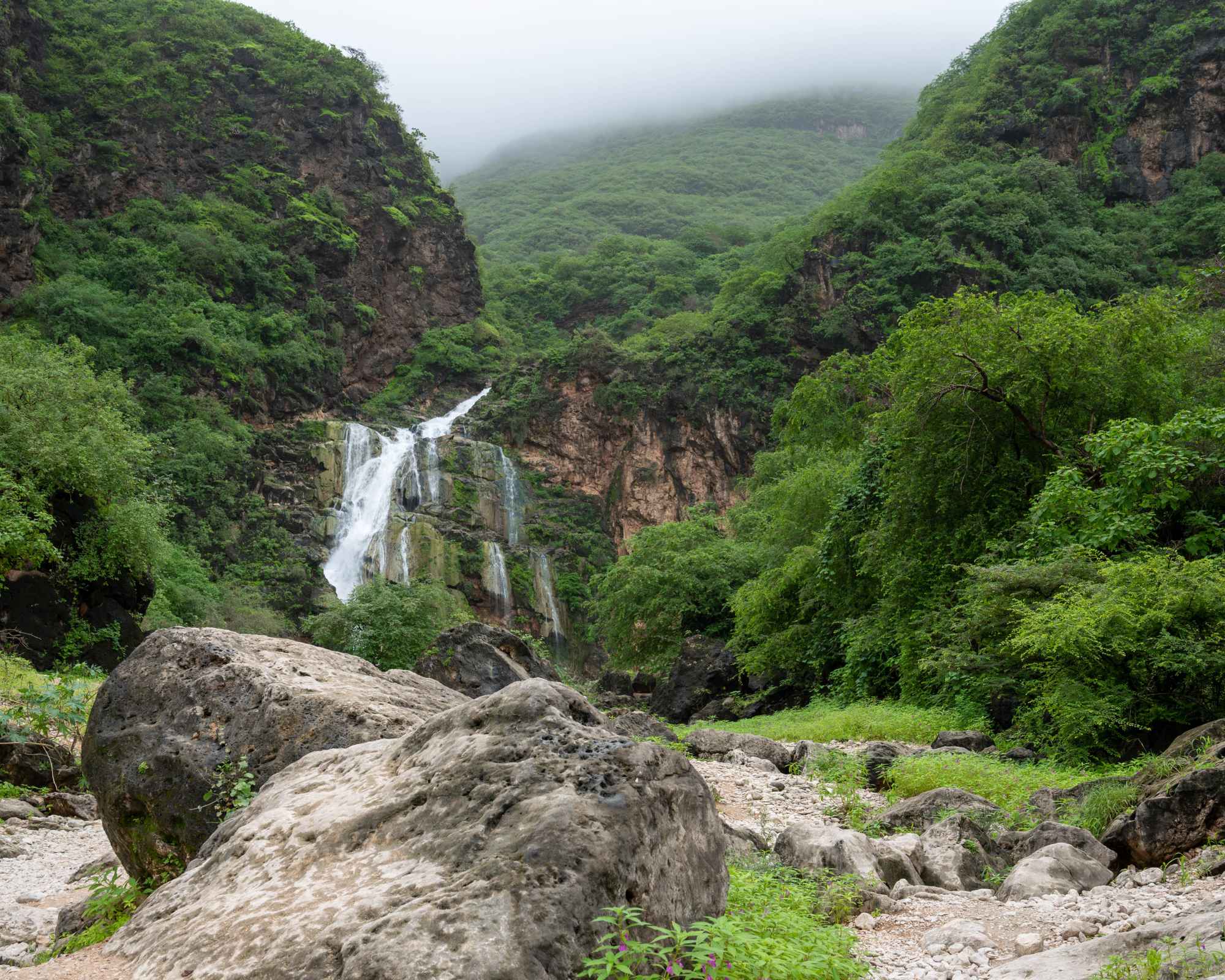
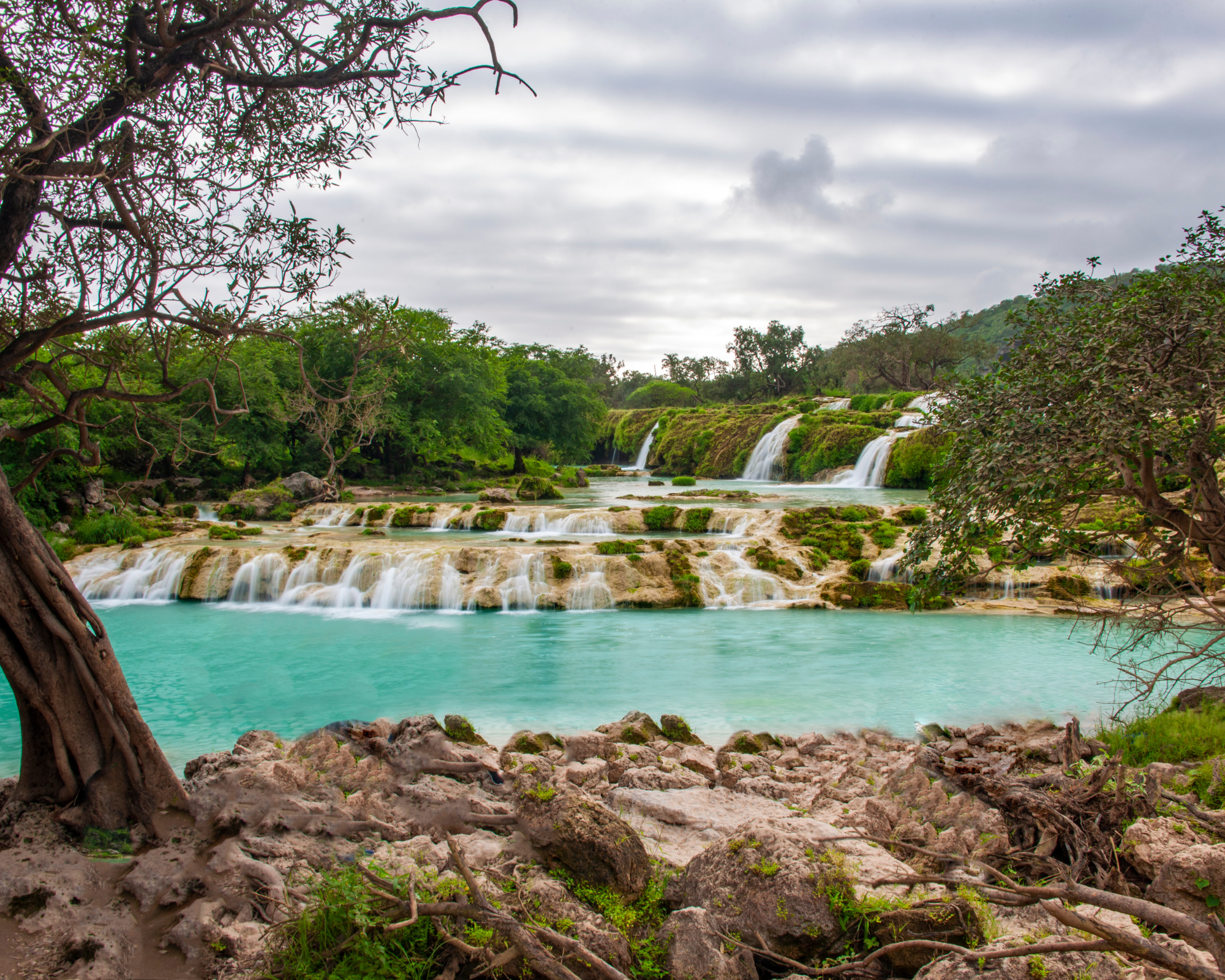
The Landscapes Turn Electric Green: The transformation of the dry, rocky Dhofar mountains into lush, vibrant landscapes is mind-blowing. Places like Wadi Darbat become a paradise of flowing rivers, and seasonal waterfalls like Ayn Athum and Ayn Khor roar to life.
-
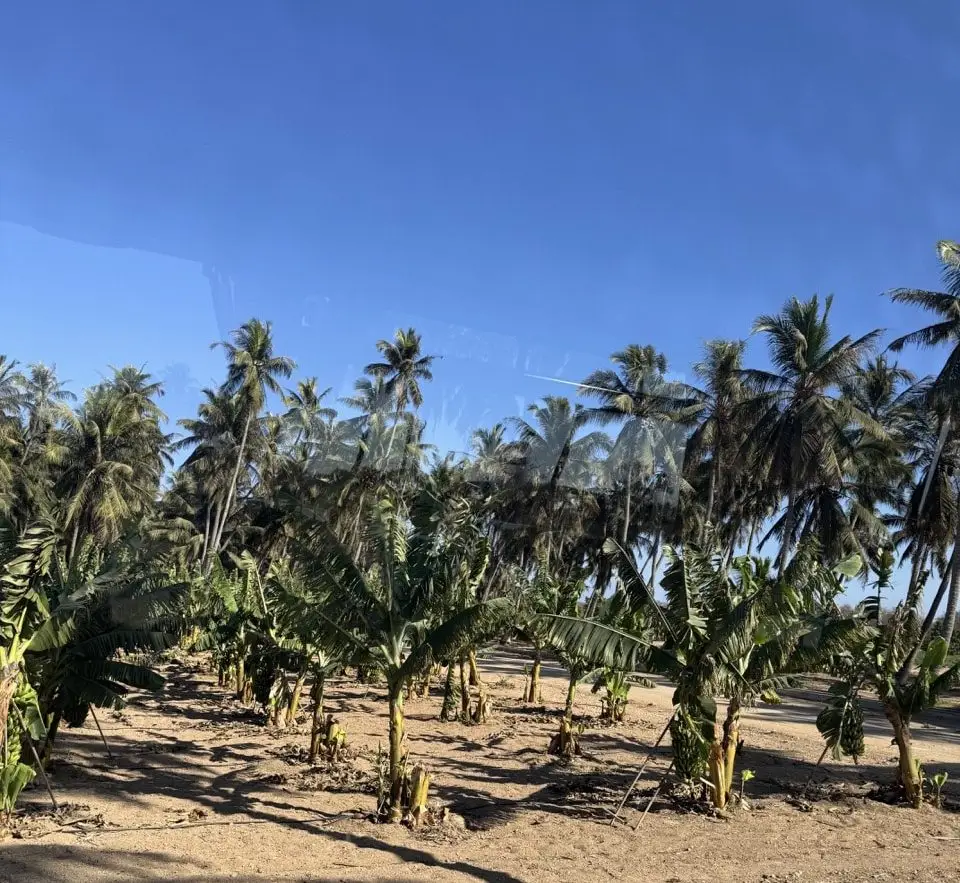
Salalah’s Tropical Plantations: There is nothing quite like driving past the tropical plantations in the middle of Salalah town and stopping at a local roadside stall for a fresh, cold coconut water or a bunch of locally grown bananas.

The Reality Check: The Parts Nobody Tells You
If you pack your bags expecting a sunny, tropical beach holiday, you are going to be disappointed. To love Khareef, you have to understand the reality of a monsoon ecosystem.
It’s Not “Sunny Beach” Weather
The sky is completely overcast for weeks on end, and there is a near-constant humid mist (al khareef) in the air. The gorgeous beaches, like Al Mughsail or Fazayah, become wildly dramatic. The waves are massive and violent. It is incredibly beautiful to watch the ocean blowholes explode with water, but swimming is strictly forbidden and highly dangerous.
The Mud and the Crowds
Because thousands of travelers are escaping the summer heat at the exact same time, the main tourist spots get incredibly busy. If you roll up to the famous Wadi Darbat boat ride at 2:00 PM on a weekend, you will be sitting in bumper-to-bumper traffic.
The Intense Mountain Driving Stress
This is the biggest hurdle for most visitors. To see the best views, like the dramatic drop-off at Jabal Samhan, you have to drive up into the mountains. During Khareef, the mountain fog can become so thick that your visibility drops to less than five meters. Navigating steep, winding, wet mountain roads surrounded by heavy mist—and the occasional cows wandering onto the tarmac—can be genuinely terrifying if you aren’t used to it.
The Secret to Making It Worth It
So, is it worth it? Yes, absolutely. But the travelers who have a bad time are usually the ones who try to do everything themselves. They rent a standard sedan, get stressed out navigating the blinding fog, get lost trying to find hidden springs, and spend half their holiday fighting for parking at crowded viewpoints.
If you’ve already invested in nice flights and booked a beautiful resort to relax, the smartest travel hack for Salalah is to leave the driving to someone else.
Hiring a private, local Omani guide for your sightseeing days completely changes the experience:
-
Zero Driving Stress: Instead of staring tensely at the white lines on a foggy mountain road, you can sit back in a comfortable 4×4, look out the window, and enjoy the misty views while a professional who knows every twist and turn handles the wheel.
-
Beating the Crowds: Local guides know the daily rhythm of the region. They know exactly what time to take you to Wadi Darbat so you have the river to yourself, and they know the quiet, hidden viewpoints that standard tourists miss.
-
Cultural Connection: A local guide isn’t just a driver; they are your bridge to Dhofari culture. They can share the history of the ancient frankincense trade, show you the best spots for authentic mathbi (traditional meat cooked over hot stones) on Ittin Road, and ensure your trip feels genuine.
The Final Verdict
Salalah during Khareef is an unforgettable experience, but it is an adventure, not a lazy resort holiday. Pack a light rain jacket, bring a pair of sturdy walking shoes with good grip, and don’t let the driving logistics ruin your peace of mind.
Treat yourself to a private guide and let the locals handle the details, and you’ll quickly see exactly why this green oasis is the best summer secret in the Middle East.
Plan Your Perfect Khareef Escape
Don’t spend your vacation guessing where the best waterfalls are or fighting for parking at Wadi Darbat. Let a local expert show you Salalah’s hidden gems on your own schedule. We handle the challenging mountain roads so you can just enjoy the journey.