Table of Contents
Hidden on the edge of the vast Rub’ al Khali (Empty Quarter) desert lies Ubar, an ancient outpost often hailed as the “Atlantis of the Sands.” Once a thriving hub controlling the lucrative frankincense trade, Ubar vanished beneath the desert sands for centuries. Today, the excavated ruins at Shisr stand as a UNESCO World Heritage Site and one of Oman’s most intriguing archaeological destinations.
At a Glance: The Lost City of Ubar
| Feature | Details |
| Location | Shisr, Nejd Desert (170 km north of Salalah, Dhofar Governorate) |
| UNESCO Status | Part of the “Land of Frankincense” World Heritage designation |
| Historical Role | Caravan fortress and water stop along the ancient Incense Route |
| Rediscovery Year | 1992 (Using NASA satellite radar and archaeological excavation) |
| Cause of Destruction | Catastrophic collapse of a subterranean limestone cavern |
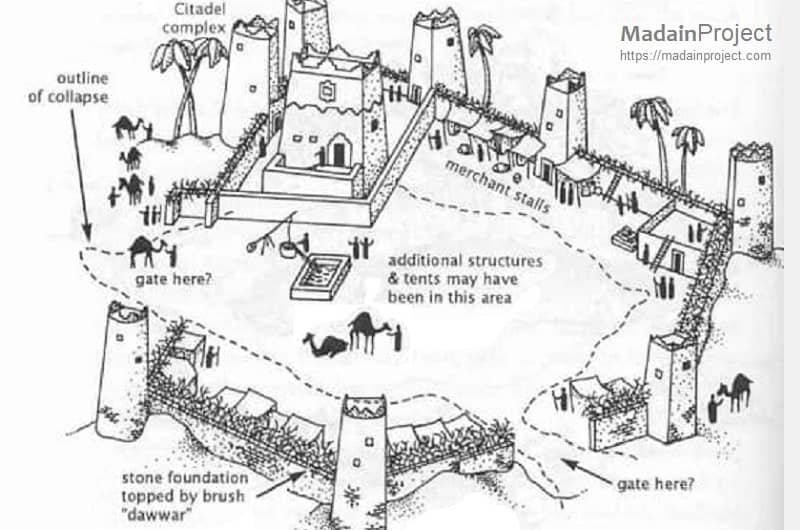
The Legend of Ubar: Arabia’s "Atlantis of the Sands"
For centuries, stories of a wealthy city swallowed by the desert circulated in Bedouin lore and ancient texts, including One Thousand and One Nights. According to legend, Ubar (historically linked to Wubar or Iram of the Pillars) was a grand desert oasis made rich by controlling the distribution of high-grade Dhofari frankincense (Boswellia sacra) to Egypt, Rome, and Mesopotamia.
Because of its sudden disappearance, early European explorers dubbed it the “Atlantis of the Sands,” debating whether the city was purely mythical or buried beneath the shifting dunes of the Empty Quarter.
The 1992 Discovery: Uncovering Ubar with Satellite Technology
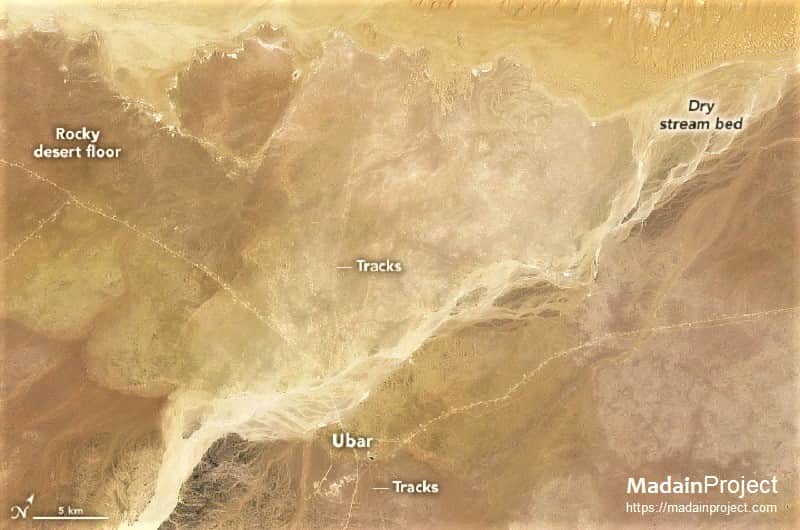
In 1992, myth became reality. A team of researchers and explorers—including Sir Ranulph Fiennes, Dr. Juris Zarins, and filmmaker Nicholas Clapp—used NASA Shuttle Imaging Radar (SIR) and satellite imagery to track ancient camel caravan tracks invisible to the naked eye.
The satellite data showed centuries of trade routes converging at a small oasis village named Shisr, located approximately 170 kilometers north of Salalah. Excavations revealed a fortified settlement dating back to 5,000 BCE, proving that Shisr was indeed the central staging post of the ancient frankincense network.
Why Ubar Vanished: The Collapse of the Cavern
Excavations led by Dr. Zarins revealed why the city mysteriously disappeared:
The Oasis Source: Ubar was built directly above a massive, natural underground limestone cavern filled with fresh water.
Over-Extraction & Weight: As the city grew and thousands of camels tapped the water supply over centuries, the water table dropped, destabilizing the limestone roof.
The Cataclysmic Sinkhole: The weight of the stone fortress and surrounding buildings eventually caused the cavern roof to collapse inward, swallowing the central fort into a giant sinkhole and burying the city under collapse debris and sand.
Visiting Ubar (Shisr) Today
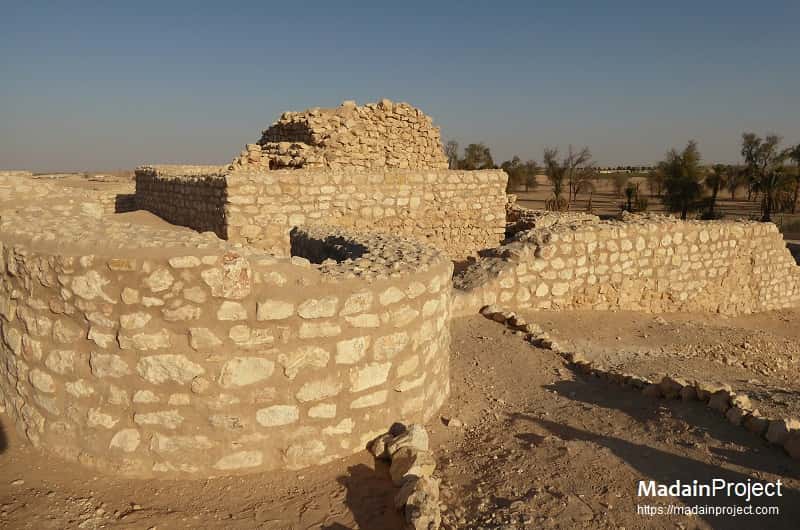
Today, visitors can explore the excavated stone walls, central watchtowers, and the deep collapse crater at the Shisr site. An on-site visitor center provides historical exhibits, artifact displays, and detailed maps of the ancient Incense Route.
Because Shisr is situated on the road leading directly into the mega-dunes of the Rub’ al Khali, it serves as the ultimate cultural gateway for desert safaris originating from Salalah.
The archaeological ruins of Ubar are located in the small village of Shisr, situated in the Nejd desert plateau approximately 170 km (a 2-hour drive) north of Salalah, Oman.
Ubar was discovered in 1992 using NASA satellite radar technology. Researchers identified ancient desert tracks convergence points buried beneath the sand, directing archaeologists directly to the ruins at Shisr.
Yes. Ubar (Shisr) is officially listed under the UNESCO World Heritage designation "Land of Frankincense," alongside Sumhuram (Khor Rori), Al-Baleed Archaeological Park, and Wadi Dawkah.
Explore Ubar & The Empty Quarter Desert with Local Experts
Journey into the sands where legend meets history. Go Salalah Tour provides private 4×4 expeditions combining the UNESCO ruins of Ubar (Shisr) with sunset dune bashing, camel trekking, and overnight camping under the stars in the Rub’ al Khali desert.